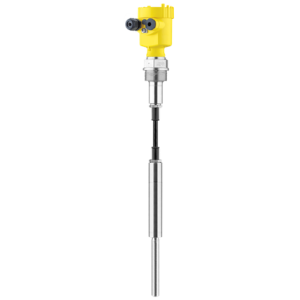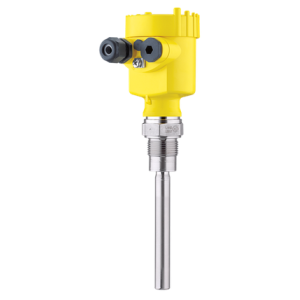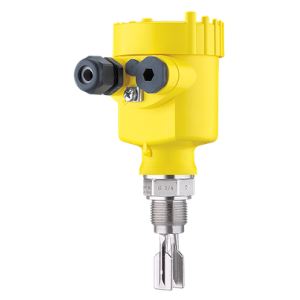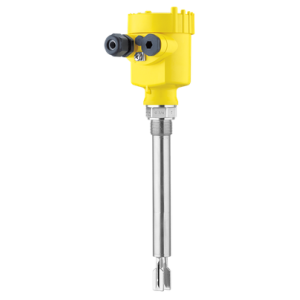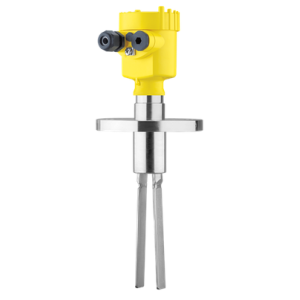
Reference: vegawave-62
Brand: VEGA
Reference: vegawave-62
Brand: VEGA
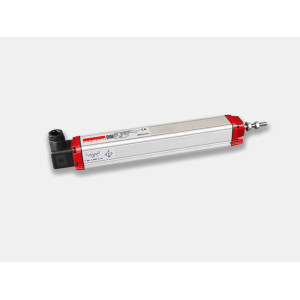
Reference: ERTM-50-D-I4-C2
Brand: Opkon
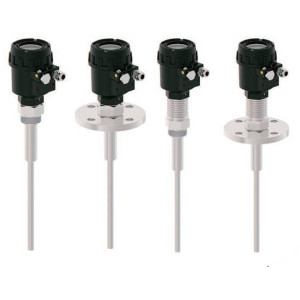
Reference: RTL-30-A-5K-C1
Brand: Opkon
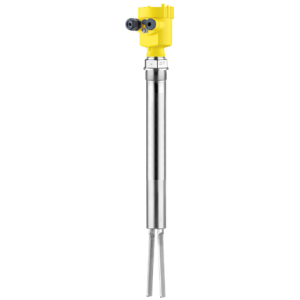
Reference: VEGAVIB 62
Brand: VEGA
Banner
Level sensors are fundamental field devices in automation systems used for measuring the level of liquids, gases, and bulk solids within tanks and pipelines. Initially, during the early stages of industrial automation, the simplest and most common method was liquid level measurement.
There are 11 products.
Reference: vegawave-62
Brand: VEGA
Reference: vegawave-63
Brand: VEGA
Reference: ELT
Brand: MetGrant
Reference: VEGAVIB 62
Brand: VEGA
Reference: vegavib-61
Brand: VEGA
Reference: vegaswing-61
Brand: VEGA
Reference: vegaswing-63
Brand: VEGA
Reference: vegawave-61
Brand: VEGA
Reference: Vegapuls C 11
Brand: VEGA
Level sensors are fundamental field devices in automation systems used for measuring the level of liquids, gases, and bulk solids within tanks and pipelines. Initially, during the early stages of industrial automation, the simplest and most common method was liquid level measurement.
Level sensors can be categorized based on their function and the material they are designed to measure:
For Liquids and Bulk Solids: Sensors are distinctly divided into those designed specifically for liquid level measurement and those for solid/powder materials (bulk solids).
Level Detectors vs. Level Transmitters:
Level Detectors (Switches): Monitor the achievement of a specific, set level at a single point (e.g., maximum or minimum alarm).
Level Transmitters (Gauges): Provide continuous level control and measurement across the entire range.
Level sensors can be contact or non-contact, depending on the operating conditions and accuracy requirements. Early devices utilized the simplest physical principles, such as hydrostatic buoyancy for float displacement and material electrical conductivity. Modern sensors are equipped with internal microprocessors and are capable of performing a wide range of functions:
Online measurement of actual levels of liquids and bulk solids.
Signaling alarms upon reaching a preset level.
Volume measurement of liquids and bulk solids in tanks of complex geometric shapes.
Flow measurement (in conjunction with other functions).
Storage and processing of measurement data.
Level sensors are utilized across all sectors of industrial production where it is necessary to monitor the level of liquid, gaseous, pasty, viscous, and other materials.
They are widely used with various media, including:
Oils and petroleum products
Lubricants
Water and aqueous solutions
Acids and alkalis
Food products
Construction materials, and other mediums.
Technological progress has driven the evolution of level sensors from simple mechanical devices to complex electronic instruments capable of performing a wide range of functions. Today, numerous types of level sensors are available, making it possible to select the optimal solution for any material and application requirement.
check_circle
check_circle